Xeriscaping
Sustainable Landscaping Alternatives: Beyond Artificial Turf
As Arizona cities like Phoenix, Gilbert, Scottsdale, and Tempe face growing environmental challenges, including water shortages and extreme heat, sustainable landscaping solutions have become increasingly important. While artificial turf offers many eco-friendly benefits, such as water conservation and reduced maintenance, there are numerous other sustainable alternatives that can complement or even replace synthetic grass in certain scenarios. These ecofriendly landscaping options provide additional environmental and aesthetic advantages, enhancing the beauty and functionality of your outdoor spaces while promoting sustainability.
This article will explore the most popular and effective sustainable landscaping alternatives available to residents and businesses across Arizona, including native plants, xeriscaping, permeable paving, and drought-resistant hardscaping. By integrating these methods into your outdoor design, you can create a resilient and beautiful landscape that thrives in the region’s hot, arid climate while minimizing your ecological footprint.
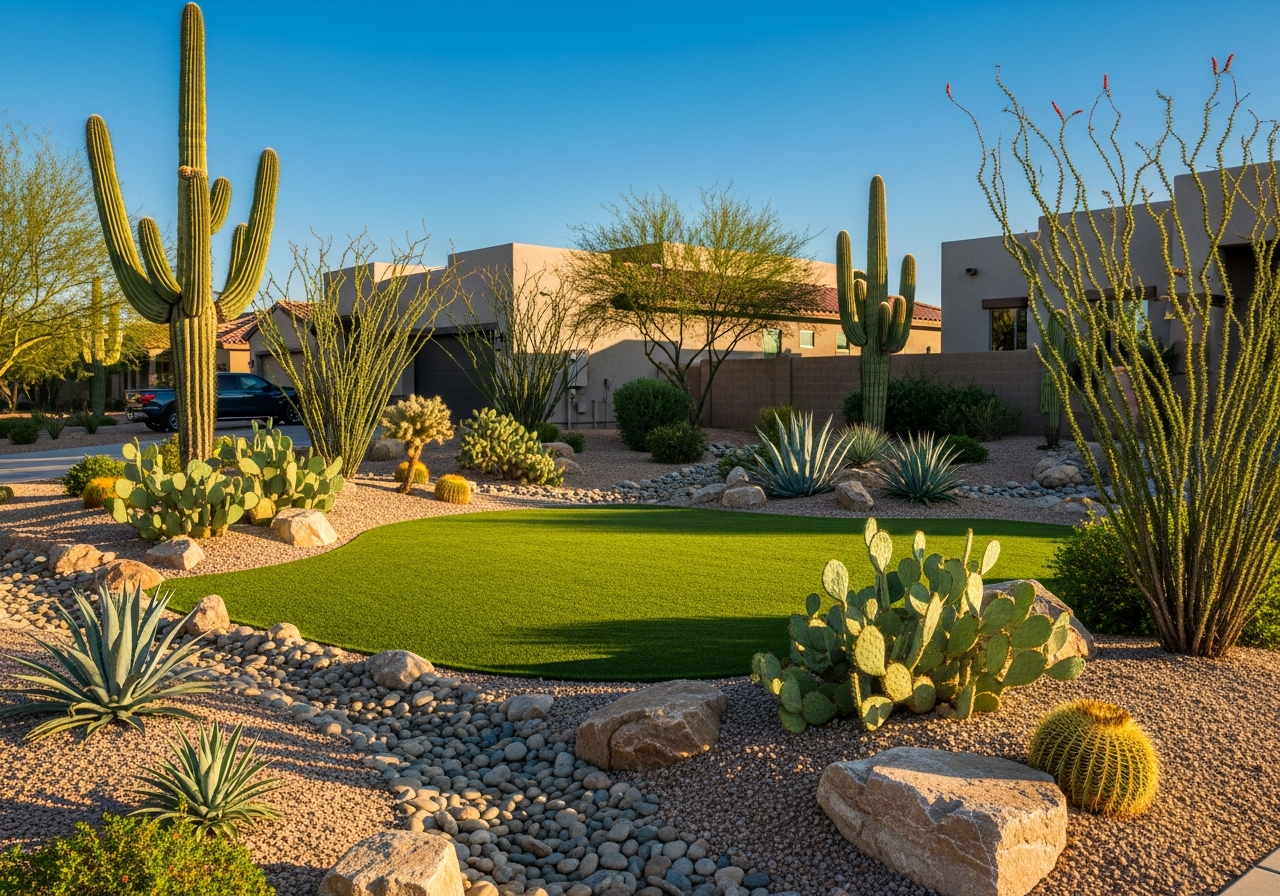
1. Xeriscaping: Drought-Resistant Landscaping
Xeriscaping is a landscaping philosophy designed for water conservation, making it ideal for Arizona, where long periods of drought are common. The principle behind xeriscaping is to design landscapes that require minimal irrigation by using drought-tolerant plants, mulch, and efficient irrigation systems
Key Elements of Xeriscaping:
- Native and Drought-Tolerant Plants: Plants that are adapted to the local climate are more resilient and require less water. For Arizona, native species like Rocky Mountain penstemon, rabbitbrush, and blue grama are excellent choices.
- Efficient Irrigation: Drip irrigation systems, which deliver water directly to the roots of plants, reduce water waste and ensure that plants receive the precise amount of water they need.
- Mulching: Mulch helps retain soil moisture, prevent weed growth, and protect plant roots from the heat. Organic mulch, such as wood chips, can gradually decompose and enrich the soil.
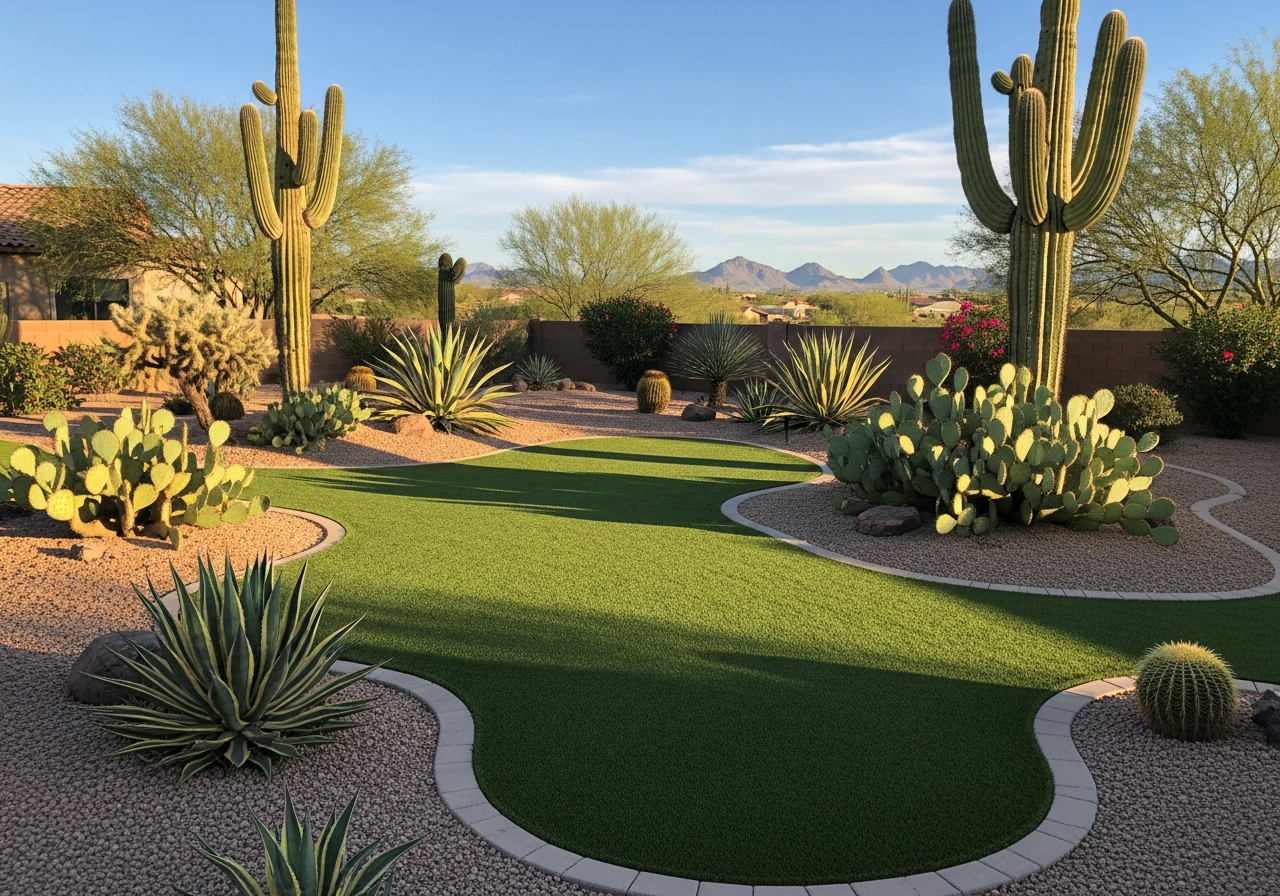
2. Native Plant Landscaping: Harnessing the Power of Local Flora
Incorporating native plants into your landscape design is another excellent way to promote sustainability. Native plants are species that have evolved in the region’s climate and soil, making them well-adapted to Arizona’s unique environmental conditions. Using native plants requires fewer resources for maintenance and supports local ecosystems, including pollinators like bees and butterflies.
Benefits of Native Plant Landscaping:
- Water Conservation: Native plants require less water than non-native species because they are adapted to the local rainfall patterns and drought conditions.
- Biodiversity Support: These plants provide habitat and food for local wildlife, including birds, insects, and other pollinators, which are essential for the region’s ecological health.
- Low Maintenance: Native plants typically need less fertilizer, pest control, and pruning, reducing the environmental impact and long-term costs of maintaining your landscape.
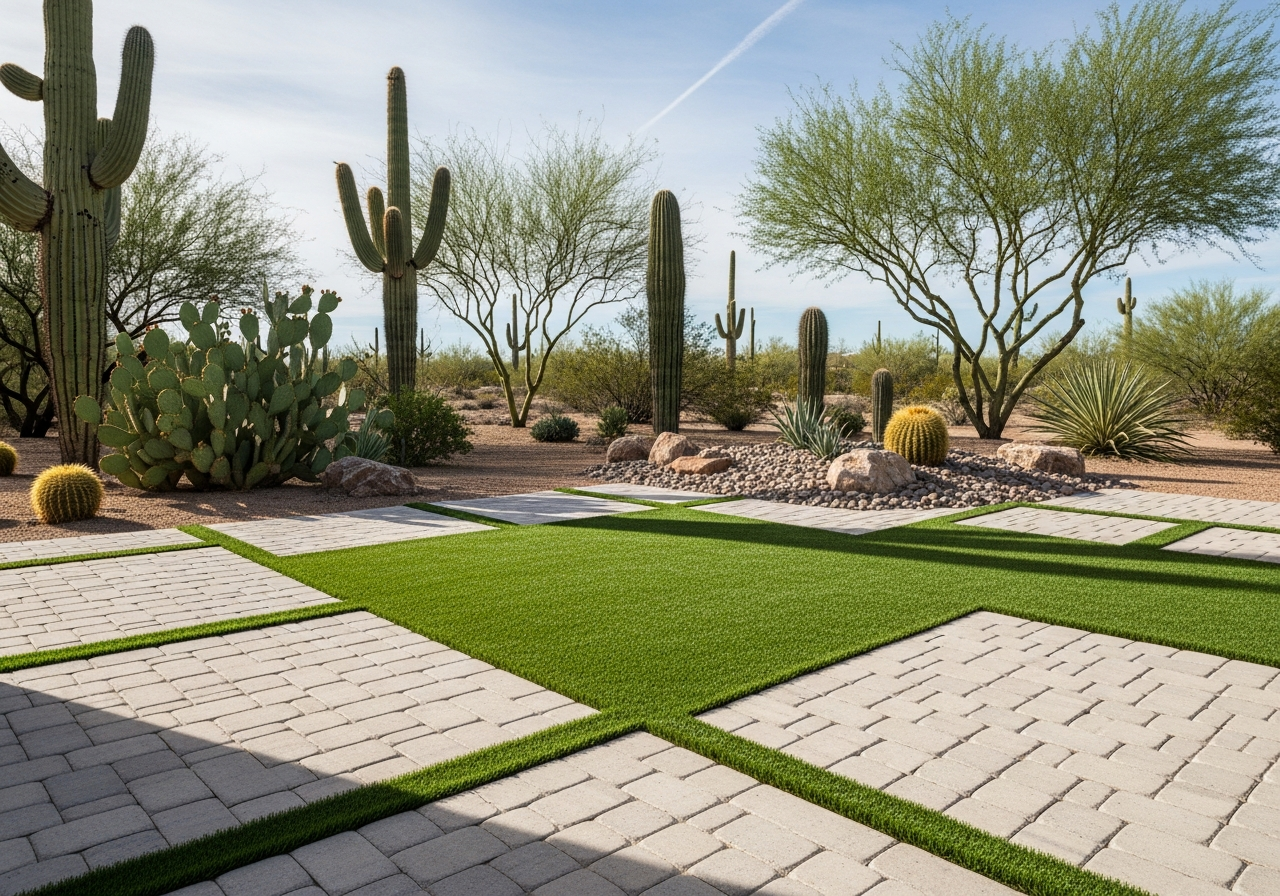
3. Permeable Paving: Eco-Friendly Hardscaping
Permeable paving is a sustainable alternative to traditional concrete or asphalt surfaces. It allows rainwater to pass through the surface, reducing runoff and promoting natural groundwater recharge. This is particularly important in Arizona, where heavy rains can lead to flash floods and erosion, especially in urban areas with impervious surfaces.
Types of Permeable Paving:
- Gravel and Crushed Stone: These materials are cost-effective and allow water to seep through the gaps between stones, preventing puddles and runoff.
- Porous Concrete or Asphalt: Unlike traditional concrete or asphalt, these materials are designed with tiny holes that let water pass through, making them suitable for driveways, walkways, and patios.
- Permeable Pavers: Interlocking pavers with gaps or joints that allow water to flow through them are a more decorative option for patios, walkways, or driveways.
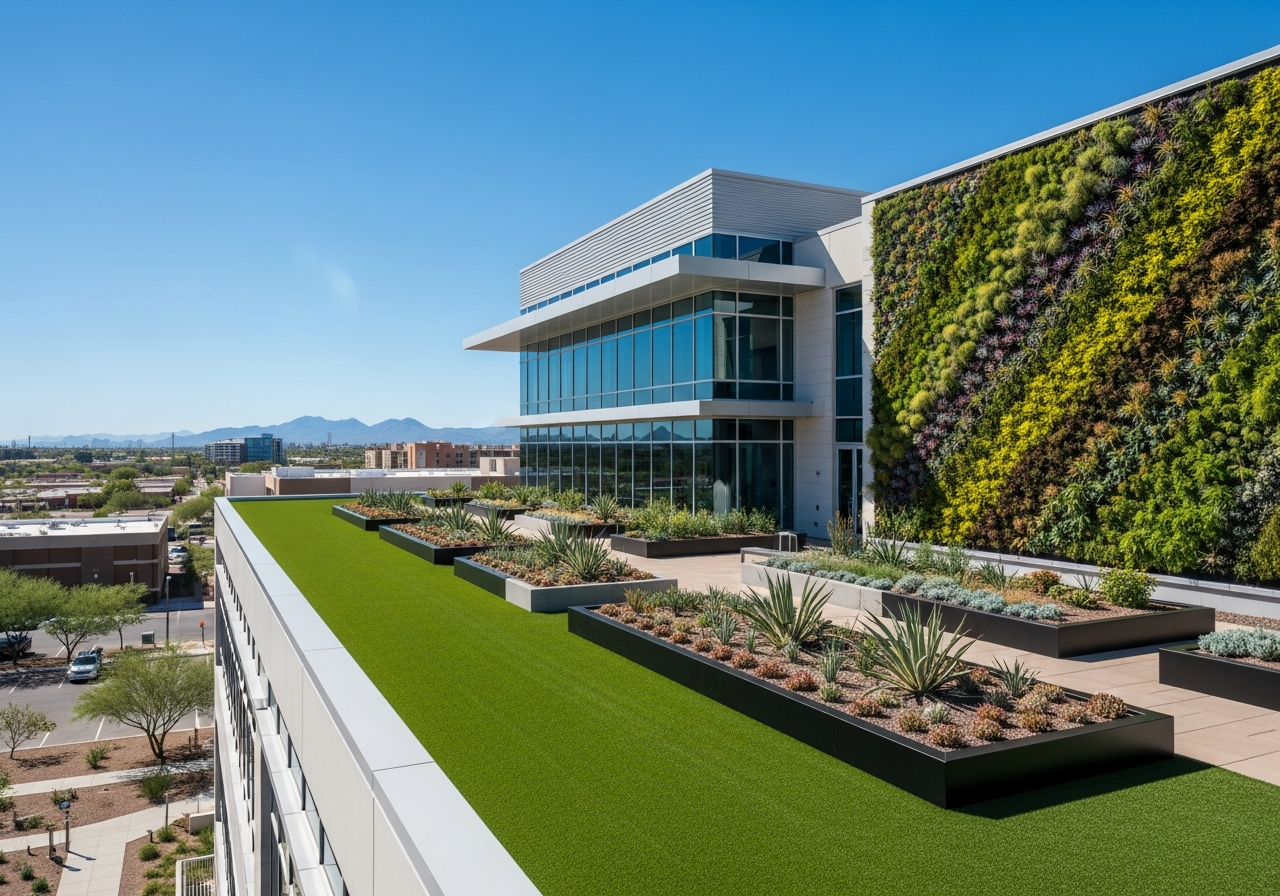
4. Green Roofs and Walls: Expanding Green Spaces
Green roofs and living walls are innovative solutions for urban environments where traditional landscaping may not be feasible. These systems involve planting vegetation on rooftops or vertical surfaces, creating additional green spaces that contribute to sustainability.
Benefits of Green Roofs and Walls:
- Temperature Regulation: Vegetation provides insulation, reducing the heat island effect in urban areas and lowering energy costs by keeping buildings cooler.
- Stormwater Management: Green roofs absorb rainwater, reducing runoff and the risk of flooding during storms.
- Air Quality Improvement: Plants naturally filter air, absorbing carbon dioxide and releasing oxygen, which improves air quality in densely populated areas.
5. Drought-Resistant Hardscaping: Aesthetic and Practical Solutions
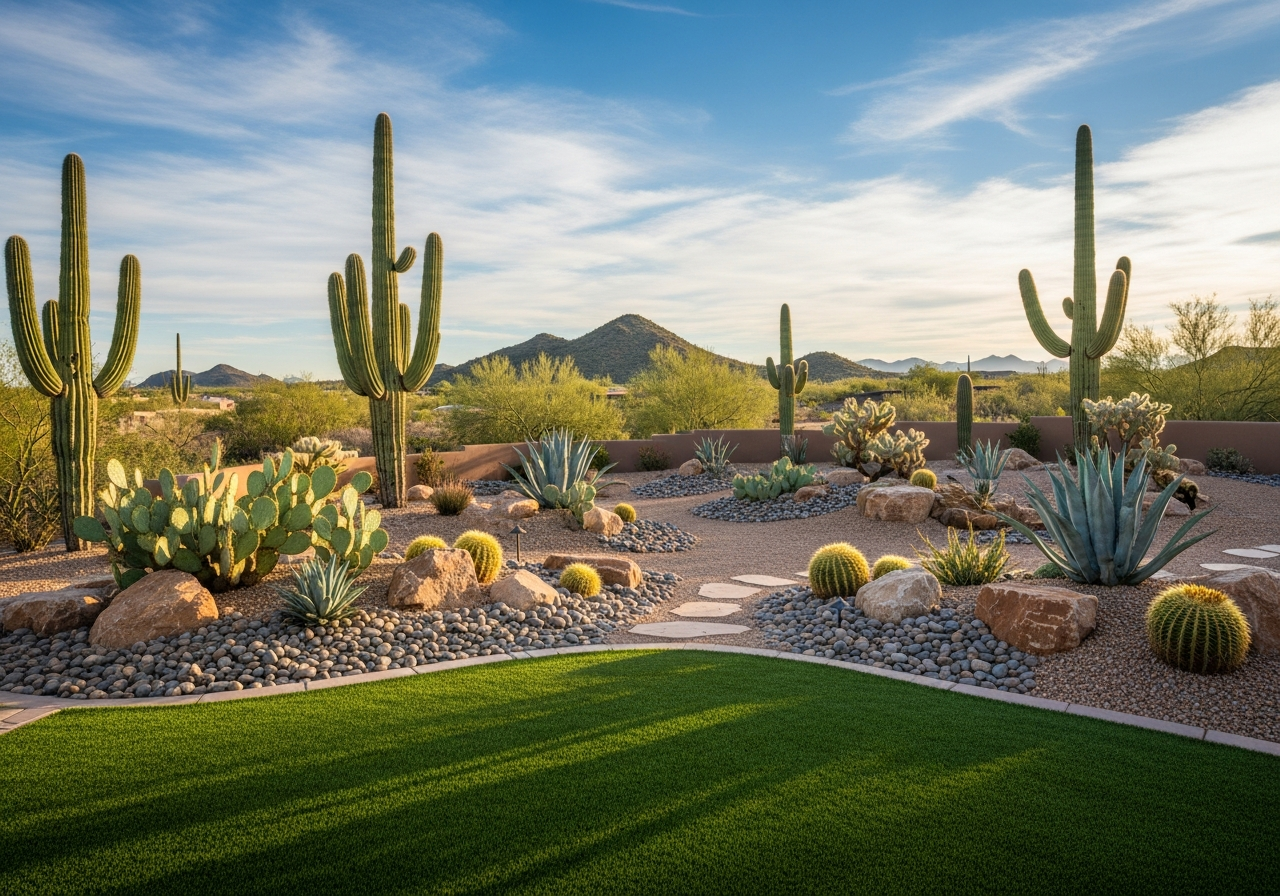
Hardscaping refers to the use of non-living elements, such as stone, wood, and metal, in landscape design. In Arizona, where water conservation is essential, drought-resistant hardscaping can be an attractive and eco-friendly alternative to water-hungry lawns and plants.
Popular Drought-Resistant Hardscaping Materials:
- Gravel and Decomposed Granite: These materials are excellent for creating walkways, patios, or garden beds. They require no water and minimal maintenance, making them ideal for dry climates.
- Natural Stone: Flagstone, limestone, and sandstone are durable, long-lasting materials that add a natural aesthetic to outdoor spaces. They can be used for pathways, patios, or retaining walls.
- Wood Features: Wooden pergolas, decks, and fences provide shade and structure while complementing the natural environment.
Drought-resistant hardscaping is a versatile solution for creating functional and visually appealing outdoor spaces that require little to no water. By incorporating materials that reflect the natural landscape of Arizona, you can design a yard that is both sustainable and stylish.
6. Rainwater Harvesting Systems: Maximizing Natural Resources
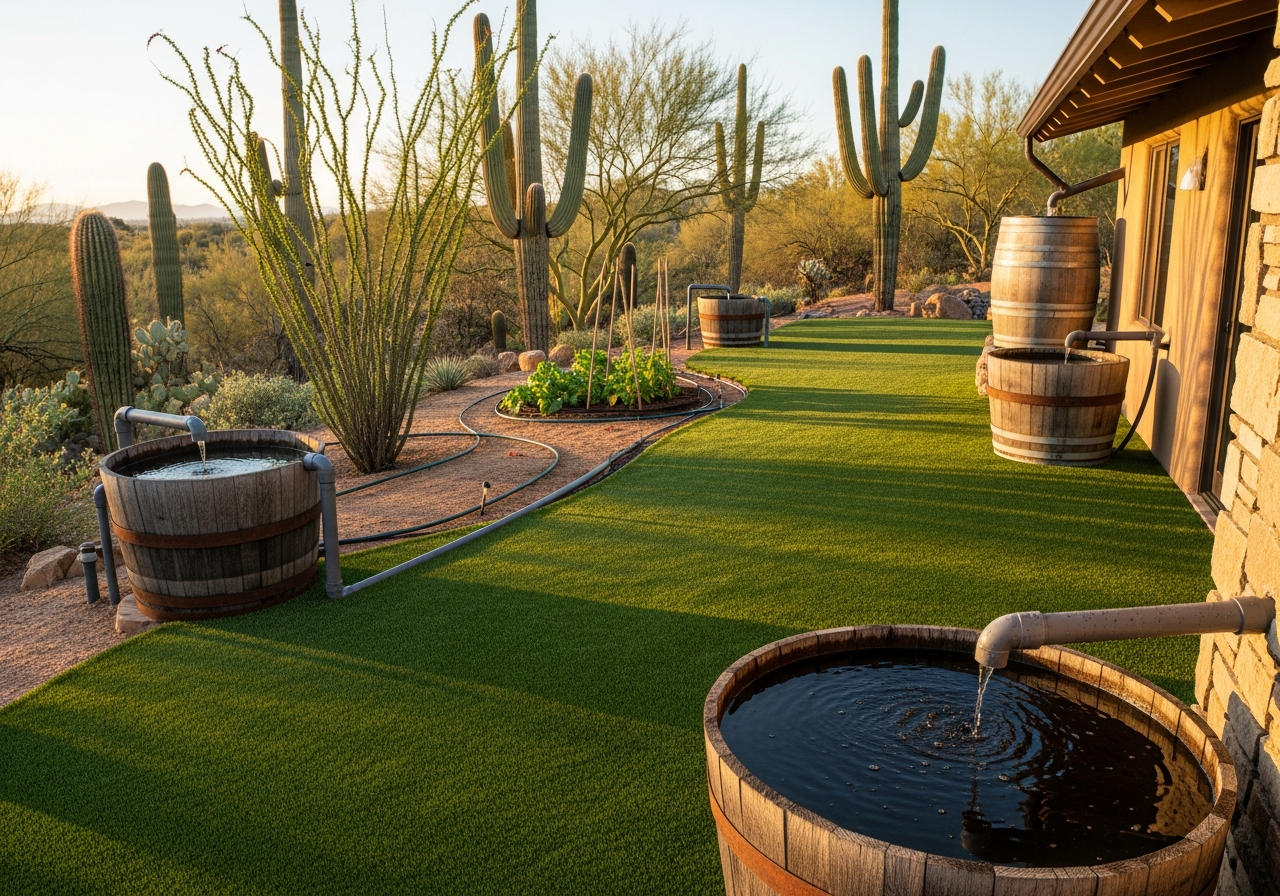
Installing a rainwater harvesting system is an excellent way to make the most of the region’s intermittent rainfall. These systems capture and store rainwater for use in irrigation, helping to conserve municipal water supplies and reduce utility bills.
Benefits of Rainwater Harvesting:
- Water Conservation: Collecting rainwater reduces reliance on groundwater and municipal water, which is especially important during droughts.
- Cost Savings: Using harvested rainwater for irrigation can significantly lower your water bills, making it a cost-effective solution for homeowners and businesses.
- Environmental Impact: By reducing runoff, rainwater harvesting helps prevent erosion, flooding, and pollution of local waterways.
Rainwater harvesting is an ideal solution for areas like Phoenix and Gilbert, where water conservation is a priority due to limited rainfall and growing populations. Paired with other sustainable landscaping practices, it can help create a more self-sufficient and eco-friendly outdoor space.

Crafting a Sustainable Landscape for Arizona
Sustainable landscaping goes far beyond artificial turf. By incorporating native plants, xeriscaping, permeable paving, and drought-resistant hardscaping into your design, you can create a landscape that thrives in Arizona’s challenging climate. These alternatives not only reduce water consumption and maintenance but also support local ecosystems and promote environmental stewardship.
Get Started Now